
Location Type
If you need to find the best microblading certification nearby, our locator does it better and faster than others microblading academy finders without entering a zip code or address.
We've already done the research and found the nearest top rated microblading certification or microblading artist close to you.
Just click on the pin of the map below and get the address of the best microblading certification academy that you are looking for.
Research the reviews of customers who have previously got certified by this academy. Contact this company by phone or email and ask about the opening hours and requirements for certification.
Microblading certification centers locations map - d
Best search result with wi-fi or cable internet connection
Microblading certification academy locator - d
Best search results with mobile internet connection and turns on geolocation
What is Microblading?
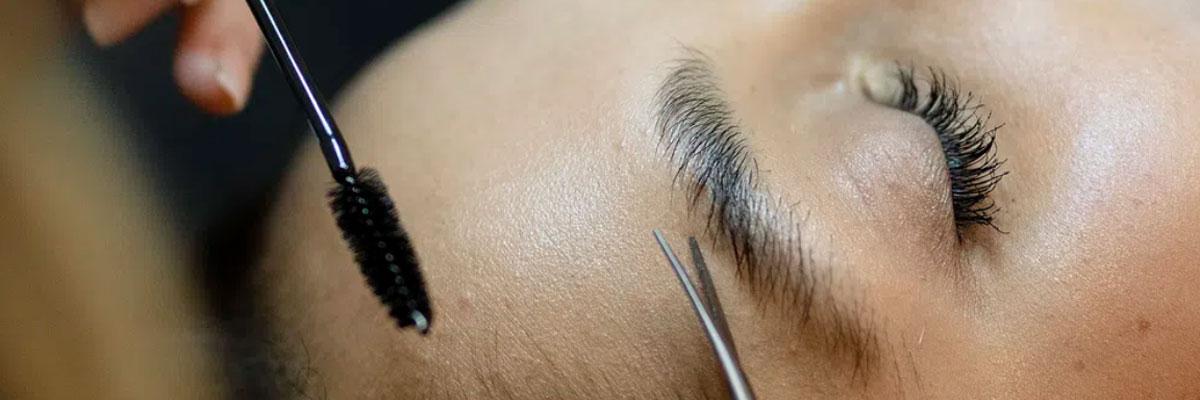
Microblading is a semi-permanent cosmetic tattooing technique that is used to enhance the appearance of eyebrows. It involves using a handheld tool with small needles to create fine, hair-like strokes in the epidermis (the outermost layer of the skin) of the eyebrows. The procedure is performed by a trained professional, often called a microblading artist or technician.
During a microblading session, the technician first consults with the client to determine the desired shape, color, and thickness of the eyebrows. The technician then numbs the area using a topical anesthetic to minimize any potential discomfort. Next, they use the microblading tool to make tiny incisions in the skin and deposit pigments that match the natural color of the client's eyebrows.
The strokes created by the microblading tool mimic the natural growth pattern of eyebrow hairs, resulting in a realistic and natural-looking appearance. The technician carefully considers the client's facial features and existing eyebrow shape to create a customized look that suits them best.
Microblading typically takes around two to three hours to complete, including the consultation and numbing process. After the procedure, the client may experience some redness, mild swelling, and tenderness in the treated area, but these side effects usually subside within a few days.
The results of microblading can last anywhere from one to three years, depending on various factors such as the client's skin type, lifestyle, and aftercare. Over time, the pigments may fade, and touch-up sessions may be required to maintain the desired shape and color of the eyebrows.
It's important to note that microblading should be performed by a trained and experienced professional in a sterile environment to minimize the risk of infection or complications. It is also essential to follow the technician's aftercare instructions to ensure proper healing and longevity of the results.
Who is a microblading artist and what does he do?
A microblading artist is a trained professional who specializes in the technique of microblading to enhance the appearance of eyebrows. Their primary role is to provide a range of services related to microblading, including consultation, designing the eyebrow shape, performing the procedure, and offering aftercare guidance. Here's a breakdown of what a microblading artist typically does:
Consultation: The artist begins by consulting with the client to understand their preferences, expectations, and any specific concerns they may have regarding their eyebrows. They assess the client's facial features, existing eyebrow shape, and discuss the desired outcome of the procedure. This helps the artist tailor the treatment to meet the client's needs.
Designing: Based on the client's preferences and the artist's expertise, the microblading artist designs the ideal shape, thickness, and arch of the eyebrows. They take into account factors such as the client's face shape, bone structure, and natural hair growth pattern to create a customized and harmonious look.
Numbing: Before the procedure begins, the microblading artist applies a topical numbing cream or gel to the eyebrow area to ensure the client's comfort. This helps minimize any potential discomfort or pain during the microblading process.
Microblading procedure: Using a handheld tool with fine needles, the artist meticulously creates small, hair-like strokes in the epidermis of the eyebrows. They dip the tool into a selected pigment and deposit the color into the incisions, giving the illusion of natural eyebrow hairs. The artist pays close attention to detail, ensuring the strokes mimic the natural growth pattern of eyebrow hair and create a realistic result.
Aftercare guidance: Once the microblading procedure is complete, the artist provides detailed aftercare instructions to the client. This may include guidance on how to clean and moisturize the treated area, avoiding certain activities or products that may affect the healing process, and scheduling follow-up appointments for touch-ups, if necessary.
Follow-up appointments and touch-ups: Depending on the client's skin type and how well their skin retains the pigment, a microblading artist may recommend one or more follow-up appointments for touch-ups. These appointments allow the artist to assess the healed results, make any necessary adjustments, and ensure the longevity of the microblading.
Overall, a microblading artist's role involves a combination of artistic skill, technical expertise, and a thorough understanding of facial aesthetics to create natural-looking and customized eyebrows for their clients. They prioritize client satisfaction, safety, and maintaining the highest standards of hygiene throughout the process.
What qualifications do you need for microblading?
The qualifications required for microblading can vary depending on the regulations and guidelines set by the specific country, state, or local governing bodies. However, here are some common qualifications and requirements typically associated with becoming a microblading artist:
- Training and Certification: It is essential to undergo comprehensive training in microblading from a reputable and accredited training program. Look for programs that cover topics such as sterilization and sanitation, skin anatomy, color theory, brow shaping and design, microblading techniques, and proper use of tools and pigments. After completing the training, you may receive a certificate of completion or certification from the training provider.
- Licensing and Permits: Some regions may require microblading artists to obtain specific licenses or permits to legally practice microblading. Check with your local licensing authorities or health department to understand the specific requirements in your area.
- Health and Safety Knowledge: A thorough understanding of health and safety protocols is crucial in the field of microblading. This includes knowledge of proper sterilization techniques, maintaining a clean and hygienic workspace, and adhering to infection control practices to ensure client safety.
- Experience and Skill Development: While not always a strict requirement, gaining practical experience under the guidance of an experienced microblading artist can be invaluable. This hands-on experience helps refine your skills, understand client needs, and learn different eyebrow shapes and styles.
- Continued Education: Microblading is a constantly evolving field, and it's important to stay updated with the latest techniques, trends, and safety practices. Participating in workshops, attending conferences, and pursuing ongoing education can help you enhance your skills and knowledge.
- Insurance: It's advisable to obtain liability insurance to protect yourself and your clients in case of any unforeseen circumstances or complications.
Remember to research and comply with the regulations and requirements specific to your location to ensure you meet all necessary qualifications for practicing microblading legally and safely.
Is microblading a good career choice?
Microblading can be a rewarding and fulfilling career choice for those passionate about the beauty industry and helping clients enhance their appearance. Here are some factors to consider when evaluating microblading as a career choice:
Growing Demand: Microblading has gained significant popularity in recent years, with a growing demand for skilled microblading artists. Many people seek microblading services to achieve natural-looking, well-defined eyebrows. As long as the demand remains high, there can be ample opportunities for microblading professionals.
Creative Expression: Microblading allows for artistic expression as you work closely with clients to design and shape their eyebrows. It requires an eye for aesthetics and the ability to tailor the procedure to suit each client's individual features and preferences. If you enjoy being creative and have an attention to detail, microblading can be a great outlet for your artistic skills.
Entrepreneurial Opportunities: Microblading offers the potential for entrepreneurship. As a microblading artist, you have the option to start your own business, work independently, and set your own schedule. This flexibility can be appealing to individuals seeking autonomy and the ability to build their brand and clientele.
Client Satisfaction: Microblading can provide a rewarding experience as you witness the immediate transformation and increased confidence in your clients. Helping clients achieve their desired eyebrow shape and appearance can be personally fulfilling and contribute to positive client relationships.
Ongoing Learning and Advancement: The field of microblading continues to evolve, with new techniques, tools, and trends emerging. This allows for continuous learning and professional development. By staying updated on the latest industry advancements, you can enhance your skills and offer new services to clients.
However, it's important to consider potential challenges as well:
Skill Development and Training: Microblading requires extensive training and practice to master the technique. Investing in comprehensive training and continuing education is essential to develop your skills and ensure quality results for your clients.
Client Satisfaction and Responsibility: As a microblading artist, you bear the responsibility of meeting client expectations and ensuring their satisfaction. This requires effective communication, understanding their preferences, and managing realistic expectations.
Licensing and Compliance: Depending on your location, there may be specific licensing, permit, and health regulations to adhere to when practicing microblading. It's important to research and comply with all legal requirements to operate within the boundaries of the law.
Competition: With the increasing popularity of microblading, there may be a higher level of competition in some areas. Building a solid reputation, offering exceptional service, and marketing your skills effectively can help you stand out in a crowded market.
Ultimately, microblading can be a good career choice if you have a genuine interest in the field, possess the necessary artistic and technical skills, are willing to invest in training and ongoing learning, and are committed to providing excellent client care. Conduct thorough research, evaluate the market demand in your area, and consider your personal goals and interests before making a decision.